

Resources
Share Your Story
This epidemic has given us one common experience: we have all become experts in our own way. At SAFE Project, we believe that we strengthen one another by sharing our stories. Whether you are in recovery, lost a loved one, or are making a difference in your community, you can help others on this journey. We’d like to hear from you.
-

|
Prevention Point: The Supports We Need to Thrive: Protective Factors at the Community and Societal Level
This Prevention Point explores how community and societal protective factors, from supportive schools and neighborhoods to accessible resources and healthy policies, shape our well-being. It also highlights everyday ways we can help build stronger, more connected and resilient communities.
-
|
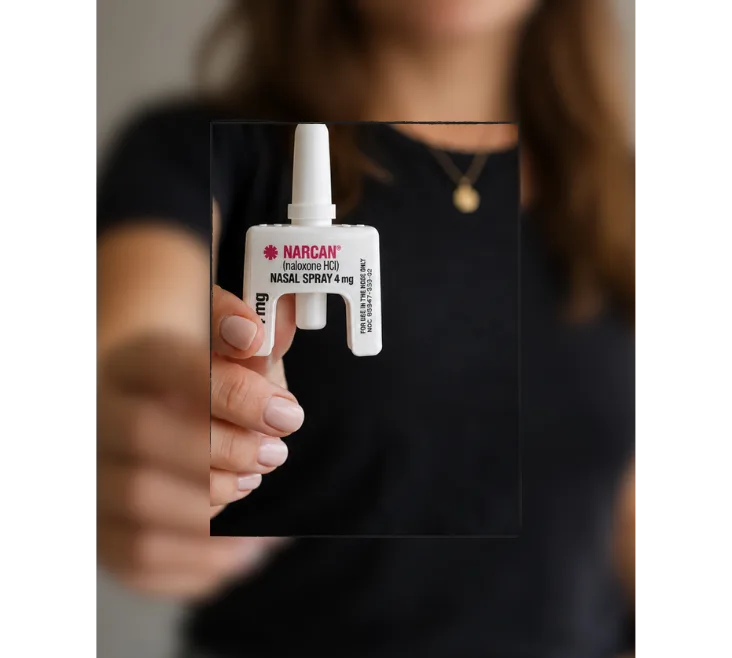
5 Things to Know About Overdose
International Overdose Awareness Day is observed each year on August 31. It is a time to remember the people we have lost, support those whose lives have been changed by an overdose, and turn awareness into action. This year, there is real progress to recognize. Final CDC data show 79,384 drug overdose deaths in the…
-

|
Recovery in College: Finding a College with Support that’s Right for You
This SAFE Project resource is designed to help students and their families navigate that deeply personal decision. It complements existing tools–such as the Association of Recovery in Higher Education’s (ARHE) Collegiate Recovery Directory – by offering questions and considerations that help students understand what collegiate recovery support looks like in practice.
-

|
Prevention Point: Connections Matter – Relationships as Protective Factors
Discover how positive relationships strengthen resilience, reduce stress, and support mental wellbeing. This resource explores the power of connection and includes a downloadable worksheet to help you build and strengthen supportive relationships.
-

|
Prevention Point: Identifying and Building Individual Protective Factors
Explore the personal strengths, skills, and resources that help buffer the effects of risk, stress, and trauma. This resource also includes a downloadable worksheet to help identify and strengthen your protective factors throughout different stages of life.
-
|
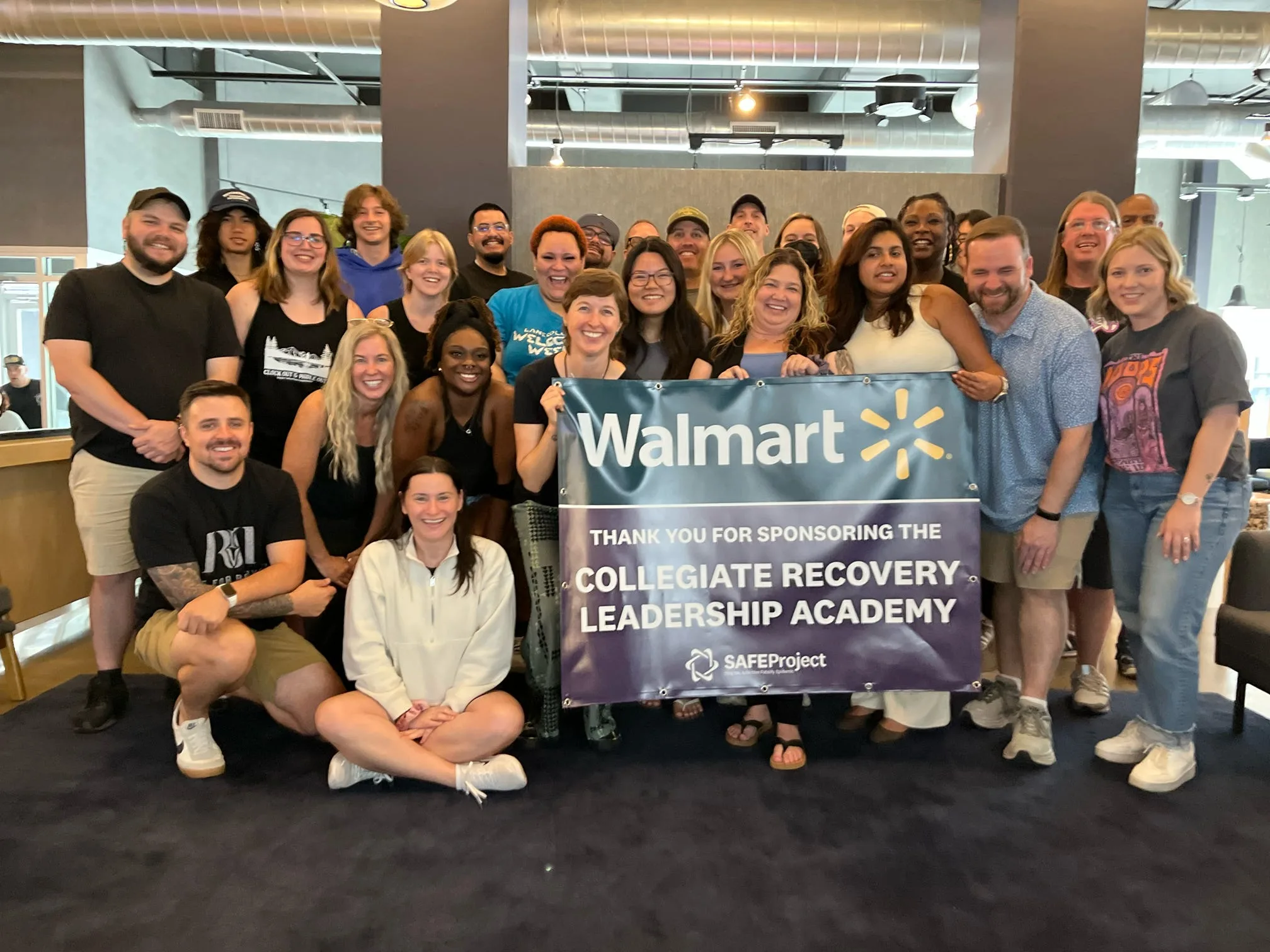
Collegiate Recovery Leadership Academy: Program Overview and Impact
Through an academic-year-long fellowship, the CRLA empowers students to develop leadership skills, deepen their understanding of addiction and recovery, and implement impact projects that create meaningful change in their communities. What started as a leadership development initiative has grown into a national community of student advocates who are shaping the future of recovery and overall…
-

|
Prevention Point: What are Protective Factors and Why Do You Need Them?
Discover what protective factors are, why they matter, and how they strengthen wellbeing. This resource introduces the individual, relationship, community, and societal factors that help us navigate life’s challenges.
-

|
Prevention Point: Supporting Children Affected by Addiction Using Storytelling
Statistics reveal the scope of addiction, but stories reveal the people behind the numbers. Learn how storytelling can reduce stigma, build empathy, strengthen connections, and inspire more compassionate support for children and families.
-
|
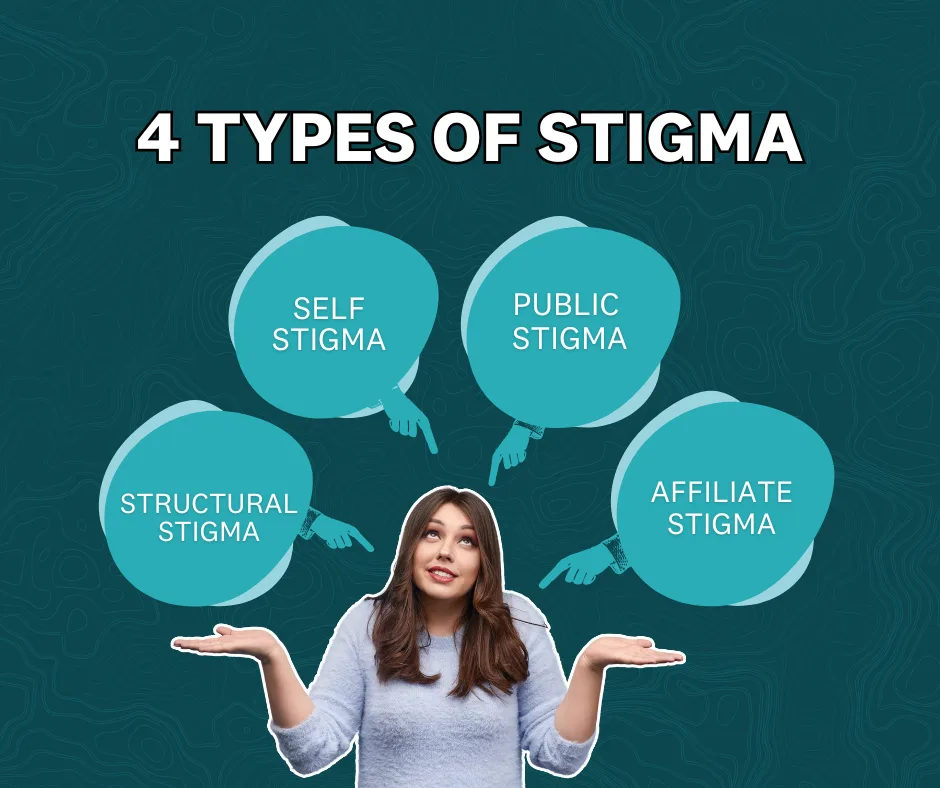
Prevention Point: Stigma Reduction is Prevention
Explore how stigma impacts individuals and communities, and discover practical ways to reduce it. Prevention and stigma reduction work hand in hand to foster connection, build resilience, and encourage help-seeking.
-

|
Prevention Point: The Power of Prevention
Learn the foundations of proactive prevention through three levels of action: preventing challenges before they begin (primary prevention), responding early when concerns arise (secondary prevention), and reducing harm while improving quality of life (tertiary prevention).